In textile manufacturing, the difference between a good garment and a great one often comes down to one decision made very early in the process — the fabric choice. Garment manufacturers, sportswear brands, and bulk fabric buyers know this better than anyone. Pick the wrong fabric construction and you end up with products that shrink badly, lose shape after a few washes, or fail to perform in the application they were made for. Pick the right one and everything downstream — stitching, finishing, comfort, durability — becomes easier and more consistent.
Dot knit fabric has become one of the most dependable choices for manufacturers who need a fabric that balances structure with softness, breathability with durability, and performance with production reliability. It is widely used across sportswear, T-shirt manufacturing, uniforms, activewear, and several industrial textile applications.
This article breaks down exactly what dot knit fabric is, how it is made, what makes it stand out, and why bulk buyers across India and globally continue to source it at scale.
Quick Overview: Dot Knit Fabric
- What it is: A knitted fabric construction featuring a raised dot or pique-like texture on the surface, created through a specific needle and loop arrangement during knitting
- Key features: Breathable, stretchable, moisture-managing, dimensionally stable, soft-touch finish with visible surface texture
- Common uses: Sportswear, T-shirts, polo shirts, activewear, uniforms, inner garments, and certain industrial textile applications
- Why industries prefer it: Consistent fabric construction for bulk production, excellent comfort for end-users, lower rejection rates in garment manufacturing, good drape and finish compatibility
- Available in: A range of GSM options to suit lightweight performance wear or heavier structured garments
- Ideal for: Garment manufacturers, sportswear brands, exporters, uniform suppliers, and wholesale fabric buyers
What Is Dot Knit Fabric?
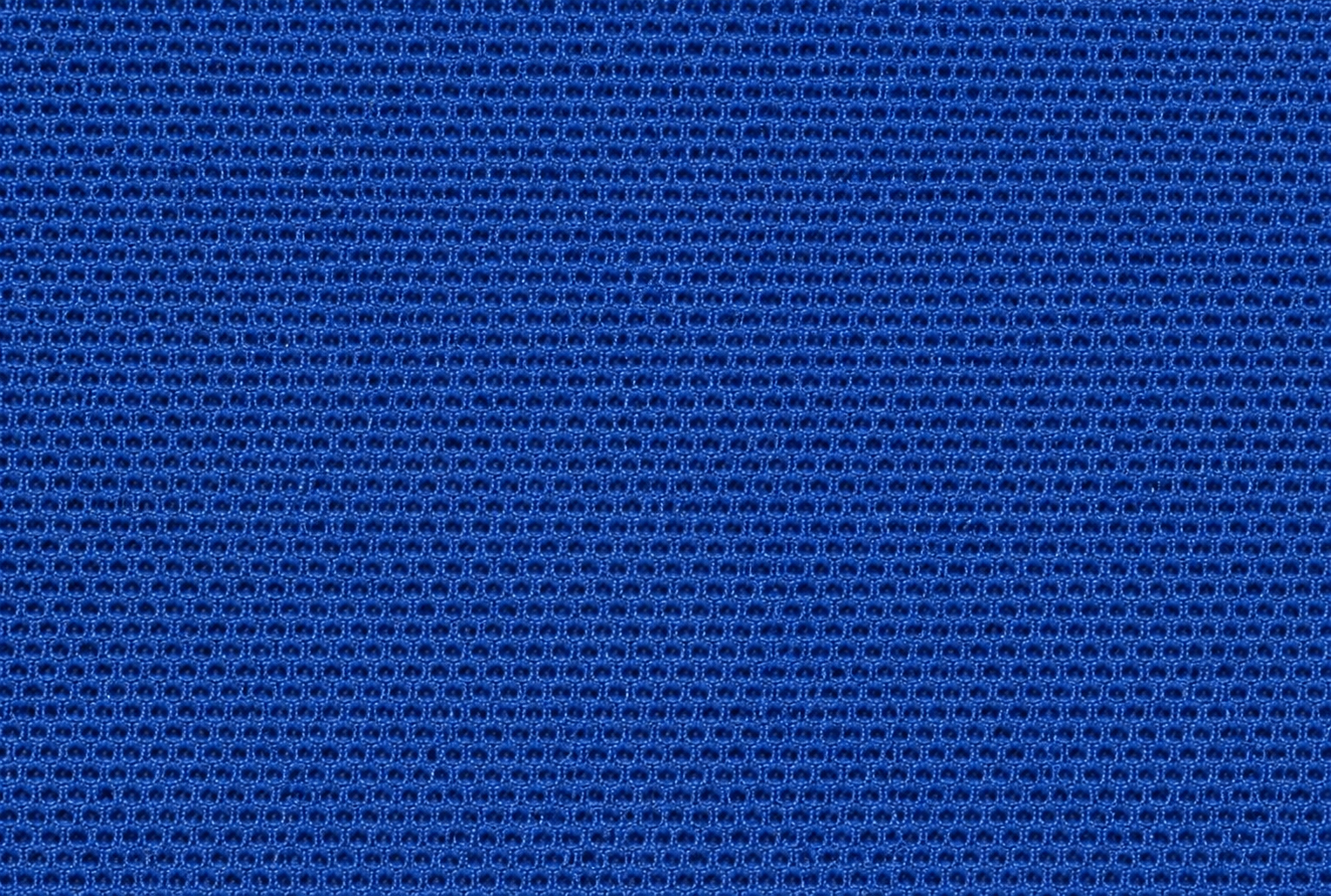
Dot knit fabric is a type of weft-knitted textile that features a characteristic raised dot pattern on its surface. This texture is not printed or applied — it is formed structurally during the knitting process through a specific interlocking of loops that creates a consistent, repeating dot-like raised formation across the fabric face.
The result is a fabric that looks visually distinctive, feels soft and slightly textured to the touch, and behaves very differently from plain single jersey or interlock constructions. The dot pattern serves both a functional and aesthetic purpose: it improves air circulation through the fabric while giving it a premium, finished appearance that works well in both performance and casual garment categories.
Unlike woven fabrics, dot knit fabric is produced on circular or flat knitting machines and retains the inherent stretch characteristics of knitted constructions. This stretch, combined with the structured dot surface, makes it a versatile option for manufacturers across multiple categories.
How Dot Knit Fabric Is Manufactured
The manufacturing process for dot knit fabric begins at the yarn selection stage. The yarn composition — typically cotton, polyester, or a blend of both — determines the final fabric’s hand feel, stretch recovery, moisture behaviour, and suitability for dyeing and finishing.
Once yarns are selected and prepared, the fabric is knitted on specialised circular knitting machines calibrated for the dot knit construction. The machine’s needle arrangement is programmed to create the signature raised dot pattern by altering the loop formation at specific, evenly spaced intervals. This requires precise machine settings and consistent tension control throughout production.
After knitting, the greige (raw) fabric goes through wet processing — washing, dyeing, and finishing — where properties like colour fastness, shrinkage control, and surface softness are refined. For a direct fabric mill supplier, this entire process is managed in-house, which is what makes quality consistency possible across large production batches.
The finishing stage also determines the final GSM of the fabric. Depending on the application — whether lightweight sportswear or structured uniform fabric — the GSM is calibrated during finishing to meet the buyer’s specification.
Structure and Texture of Dot Knit Fabric
The structural identity of dot knit fabric comes from how its loops are arranged. In standard single jersey, loops run in a single direction and the fabric has a clear face and reverse side. In dot knit, the knitting pattern introduces tuck stitches or held loops at regular intervals that create the raised dot formations on the face of the fabric.
This construction gives dot knit fabric a slightly thicker, more structured feel compared to plain single jersey, while still maintaining the breathability and flexibility that knitted fabrics are valued for. The dot formations also create micro-channels in the fabric surface — small spaces between the raised dots where air can move and moisture can be managed.
From a visual standpoint, the dot texture gives garments made from this fabric a clean, semi-structured appearance that sits comfortably between casual and performance wear. It photographs well, takes dye evenly, and maintains its surface character after repeated washing — all qualities that matter for brands conscious about product longevity.
Key Characteristics of Dot Knit Fabric
Breathability and Comfort
The micro-textured surface of dot knit fabric is one of its most functional qualities. The gaps created by the dot pattern allow air to move through the fabric more freely than a flat, compact knit would allow. For garments worn close to the skin — sportswear, inner layers, T-shirts — this breathability directly translates to comfort during wear.
This is why dot knit fabric has become a preferred choice for sportswear fabric manufacturers and activewear brands that need fabric to perform in high-activity conditions. The fabric allows the skin to breathe without compromising garment structure.
Stretch and Flexibility
Like all knitted constructions, dot knit fabric has inherent two-way stretch due to its loop-based structure. Depending on yarn composition — particularly if elastane or spandex is included in the blend — the fabric can also offer four-way stretch for applications that require a higher degree of movement flexibility.
The dot pattern does not restrict this stretch. In fact, because the tuck stitches used to create the dot formation add slight elasticity to the structure, dot knit fabric often has good stretch recovery — meaning it returns to its original shape after being stretched. For garment manufacturers, this means better fit retention across the life of the garment.
Durability and Performance
Dot knit fabric holds up well under repeated use and washing. The interlocked loop structure, reinforced by the tuck stitch pattern, gives it more structural integrity than plain single jersey of the same GSM. This makes it particularly useful for workwear, uniforms, and activewear where fabric longevity is a direct factor in buyer satisfaction and brand reputation.
When sourced from a quality knitted fabric manufacturer with proper quality control at every production stage, dot knit fabric consistently meets wash fastness, dimensional stability, and pilling resistance standards that professional garment buyers expect.
GSM and Fabric Weight
Dot knit fabric is available across a range of GSM values, typically from around 140 GSM for lightweight performance applications up to 220 GSM or higher for more structured garment categories. The right GSM depends on the end application:
- 140–160 GSM: Ideal for lightweight sportswear, inner layers, and summer garments
- 170–190 GSM: Suitable for T-shirts, polo shirts, and activewear
- 200 GSM and above: Better for uniforms, structured outerwear, and certain industrial applications
For bulk buyers, specifying the correct GSM from the outset — and working with a mill that can hold that GSM consistently across production runs — is essential for predictable garment output.
Common Industrial and Garment Applications
Sportswear and Activewear
This is where dot knit fabric genuinely earns its reputation. The combination of breathability, stretch, and moisture management makes it an ideal choice for jerseys, training tops, running wear, and gym apparel. Breathable knit fabric in this construction allows athletes and active users to stay comfortable during extended wear.
Sportswear brands sourcing fabric for international markets particularly value dot knit because of its consistent surface quality — the dot texture gives finished garments a premium visual character that plain jersey constructions don’t offer.
T-Shirt and Polo Shirt Manufacturing
For T-shirt and polo shirt production at scale, dot knit fabric offers a practical advantage. The fabric’s drape and stability make it easier to cut and sew consistently, reducing fabric waste and improving garment finishing quality. The surface texture also adds a visual dimension to basic garment styles, allowing manufacturers to produce products that feel more premium without significantly increasing fabric cost.
Uniforms and Corporate Wear
Organisations sourcing bulk uniforms — corporate, hospitality, healthcare, or industrial — need fabric that holds its appearance across long-term use and repeated laundering. Dot knit fabric’s structural durability and colour retention after washing make it a reliable option for uniform programmes where fabric consistency across large quantities is mandatory.
Industrial Textile Applications
Beyond garments, industrial knit fabric in dot constructions is used in certain technical textile applications where surface texture, air permeability, and flexibility are required. Specific industrial workwear, protective inner liners, and other technical fabric applications benefit from the construction’s properties.
Real Example: Why Garment Manufacturers Prefer Dot Knit Fabric
A mid-scale sportswear manufacturer supplying to domestic retail chains and export markets was struggling with fabric inconsistency across their production runs. Sourcing through traders meant dealing with different fabric batches from different mills — resulting in GSM variation, shade inconsistency, and higher rejection rates at the finishing stage.
After moving to a direct relationship with a direct fabric mill supplier for their dot knit fabric requirements, the company saw measurable improvements within two production seasons:
- Consistent fabric quality across every batch — same GSM, same hand feel, same surface texture
- Improved garment finishing — the fabric’s structural stability reduced stitching irregularities
- Reduced rejection rates — fewer garments failing quality checks at the final inspection stage
- Smoother production scheduling — direct mill lead times were more accurate and reliable
- Better end-user comfort — their customers noticed improved breathability and shape retention in the finished garments
The shift wasn’t just about fabric quality — it was about building a supply chain that their production team could depend on. That dependability came directly from working with a mill rather than through a reseller.
Advantages for Garment Manufacturers and Bulk Buyers
For a fabric manufacturer for garments and their buyers, dot knit fabric offers a practical combination of benefits that show up clearly on the production floor and in the finished product.
For garment manufacturers:
- Easier to cut and sew due to dimensional stability
- Consistent surface quality reduces rework and rejection rates
- Works well with standard garment finishing processes — heat pressing, printing, embroidery
- Available in bulk with consistent GSM and colour specifications
For bulk fabric buyers and wholesalers:
- Good availability from established knit fabric suppliers with circular knitting infrastructure
- Customisable in terms of GSM, composition, and colour
- Strong demand across multiple garment categories makes it a commercially safe inventory choice
- Suitable for both domestic supply and export compliance standards
Looking for a Reliable Dot Knit Fabric Supplier?
If you are a garment manufacturer, sportswear brand, exporter, or bulk fabric buyer looking for consistent, mill-quality dot knit fabric — this is exactly where working with a direct mill makes a difference.
Govind Fabrics India manufactures and supplies dot knit fabric and a range of knitted fabric constructions directly from the mill. Whether you need specific GSM, custom fabric compositions, or consistent bulk production with reliable timelines — the team is equipped to handle your requirements from the production stage.
📩 Contact Govind Fabrics India today to discuss your bulk fabric requirements, get fabric specifications, and receive direct mill pricing without any intermediary markup.
Difference Between Dot Knit and Other Knitted Fabrics
Understanding how dot knit compares to other common knit constructions helps buyers make more informed sourcing decisions.
| Fabric Type | Surface | Stretch | Weight Range | Best Use |
| Dot Knit | Raised dot texture | 2-way / 4-way | 140–220+ GSM | Sportswear, T-shirts, uniforms |
| Single Jersey | Smooth face, looped back | 2-way | 120–180 GSM | Basic T-shirts, inner garments |
| Interlock | Smooth both sides | 2-way | 180–260 GSM | Polo shirts, structured garments |
| Rib Knit | Vertical rib texture | High 2-way | 150–250 GSM | Collars, cuffs, waistbands |
| Pique / Lacoste | Waffle or honeycomb | Moderate | 170–230 GSM | Polo shirts, sportswear |
Dot knit occupies a useful middle ground — it has more visual character than plain single jersey, more breathability than interlock, and more versatility than rib. For manufacturers who need a fabric that works across multiple garment categories without sourcing multiple fabric types, this versatility is a practical advantage.
How to Choose the Right Dot Knit Fabric Supplier
Sourcing dot knit fabric at scale is not just about finding someone who has it in stock. For consistent production results, your sourcing decision should consider:
1. Direct mill or trader? A textile manufacturer in India operating their own knitting facility gives you access to consistent production under a single quality standard. Traders source from multiple mills and cannot guarantee batch-to-batch consistency.
2. GSM range and customisation capability Your supplier should be able to produce the GSM you need — not just what they happen to have available. Ask about their production range and whether they can develop fabric to your specification.
3. Quality control processes Does the mill have in-house quality checks at the knitting, wet processing, and finishing stages? Consistent output requires quality control at every step, not just at the final inspection.
4. Minimum order quantities and lead times For bulk buyers, clear and realistic MOQ terms and lead times are as important as fabric quality. A direct mill gives you more accurate lead time commitments because they control their own production schedule.
5. Communication and support Can you reach the production team directly? For any fabric-specific questions, faster and more informed communication from the mill level saves time and prevents misunderstandings.
Key Takeaways
- Dot knit fabric is a structurally textured knitted fabric with a raised dot surface, produced through a specific tuck stitch arrangement during the knitting process
- Its combination of breathability, stretch, and durability makes it one of the most versatile knit fabrics for garment and industrial applications
- GSM options typically range from 140 GSM to 220+ GSM depending on the application requirement
- Consistent quality across bulk orders is only achievable when sourcing from a direct mill with in-house quality control
- Primary applications include sportswear, T-shirts, polo shirts, uniforms, activewear, and technical textile uses
- Compared to plain single jersey, dot knit offers better breathability and surface character; compared to interlock, it offers better air permeability and flexibility
- For bulk buyers, direct mill sourcing eliminates price markups, ensures batch consistency, and enables true fabric customisation
- Choosing a bulk fabric supplier with genuine manufacturing capability — not a reseller — is critical for large-scale production reliability
Start Your Bulk Sourcing With a Direct Mill
Dot knit fabric is a proven performer across some of the most demanding garment and industrial textile applications. But its full potential is only realised when it is manufactured consistently, at the right specification, by a supplier who controls the production process from start to finish.
Govind Fabrics India is a direct knitted fabric manufacturer and bulk supplier with the infrastructure and expertise to meet serious production requirements — whether you need standard constructions or custom fabric developed to your specification.
🌐 Visit govindfabricsindia.com to explore the full fabric range, submit bulk enquiries, get detailed fabric specifications, and connect directly with the manufacturing team. No traders, no markup — just direct mill sourcing built for manufacturers who need it done right.