There’s a shift happening in apparel buying, and most garment manufacturers are already feeling it. Buyers want comfort. Brands want visual differentiation. Consumers want fabrics that breathe, move, and hold up through repeated washing. And everyone wants it at a price that makes bulk production viable.
For factories producing loungewear, casual tops, co-ord sets, and thermal basics, this creates a specific problem: how do you give a product a premium, differentiated look without adding cost, complexity, or new processes to your production line?
Waffle fabric is one of the more practical answers to that question. Not because it’s trendy, but because the structure genuinely delivers on breathability, texture, and comfort — simultaneously — in a fabric that’s straightforward to work with at scale. If you’re a sourcing manager or production head who hasn’t looked closely at waffle knit yet, it’s worth a few minutes.
What Waffle Fabric Actually Is (The Short Version)
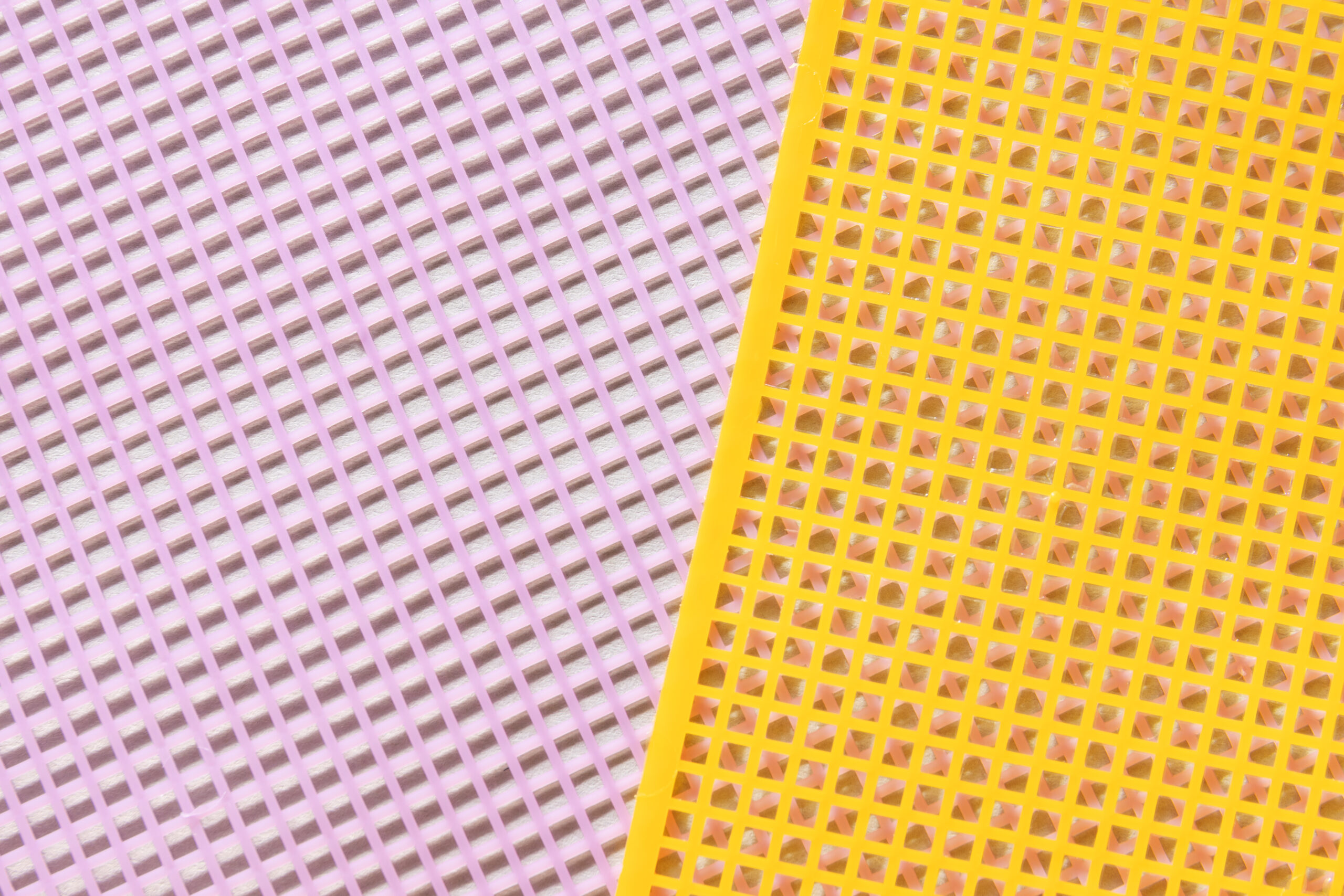
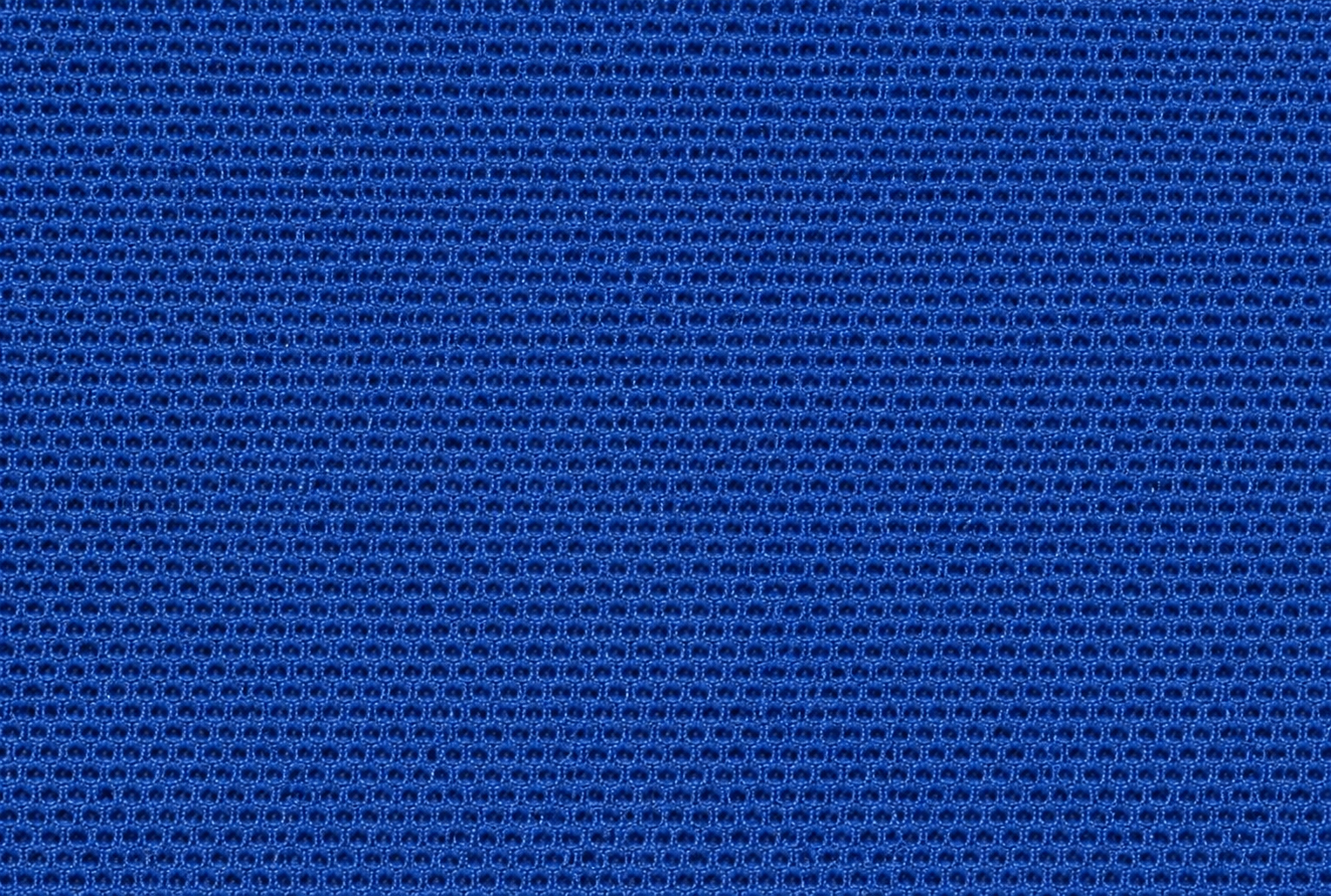
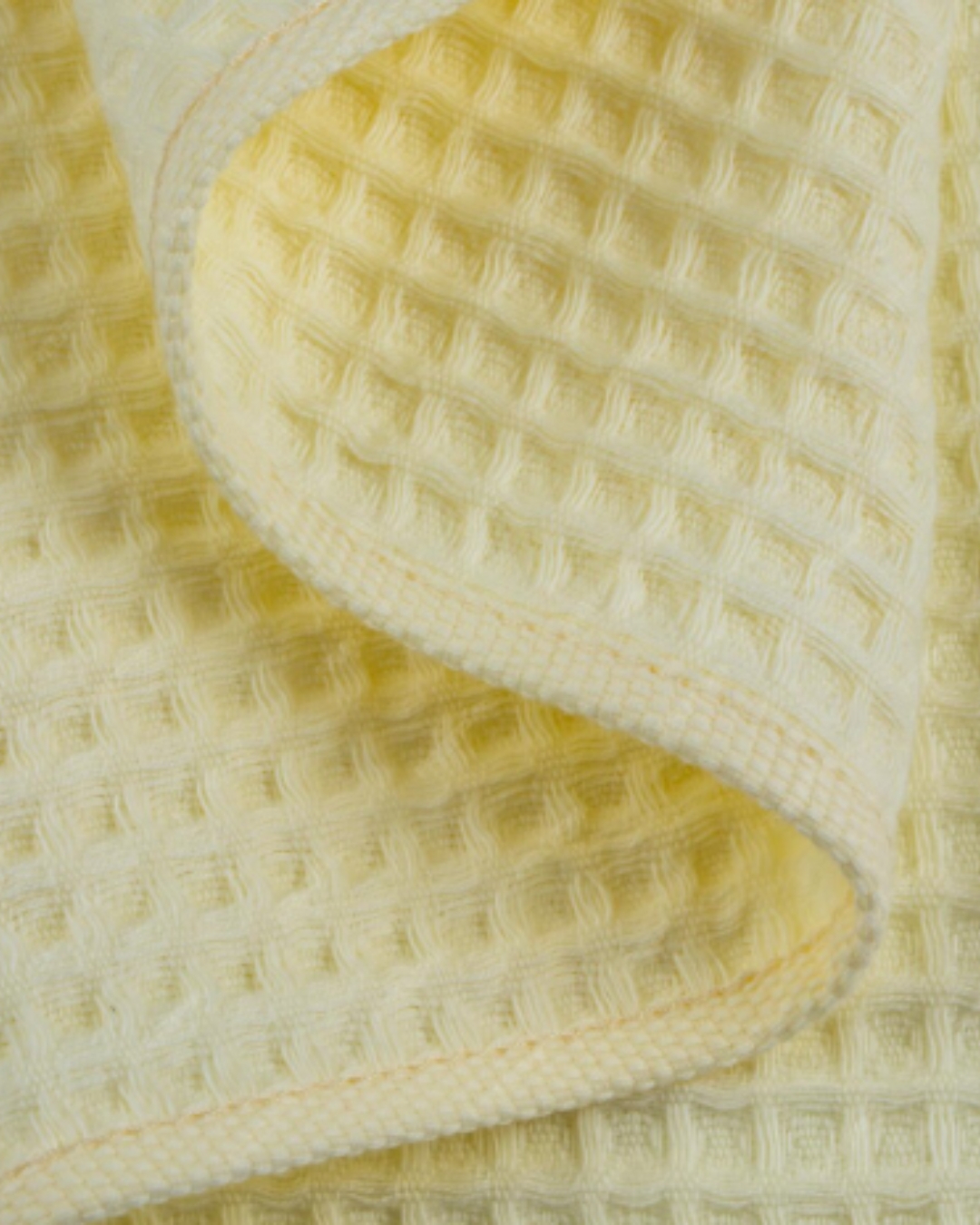
Waffle fabric gets its name from its surface — a three-dimensional grid of raised squares and recessed channels that closely resembles a waffle. That texture isn’t printed on or embossed. It comes directly from the knit construction itself, produced on circular knitting machines using a specific combination of knit, purl, and tuck stitches that create the characteristic honeycomb relief.
A few things worth knowing from a sourcing perspective:
- The structure is knitted-in, not a finishing treatment — so it doesn’t wash out or degrade over time
- It’s produced on circular knitting machines, giving it the natural stretch and recovery of knitted constructions
- The texture adds visual depth and tactile interest without any additional processing cost
- It’s available in a range of weights, from lightweight summer constructions to heavier thermal versions
That’s the structure side. What matters more for manufacturers is what the structure actually does — and that’s where waffle fabric starts making a strong case for itself.
Why Waffle Knit Works So Well for Garment Manufacturing
Breathability That’s Built Into the Construction
The recessed channels in waffle fabric aren’t just visual — they create air pockets across the fabric surface that allow heat and moisture to move away from the skin. This is passive breathability, meaning it doesn’t rely on any treatment or finish that might degrade with washing.
For garment manufacturers producing loungewear, casualwear, or lightweight layering pieces, this matters because:
- You don’t need to add performance treatments to claim breathability — the construction handles it
- Breathability is consistent across the garment’s life, not just for the first few washes
- It works across seasons — light waffle knit breathes in summer; heavier waffle traps warmth as a layer in cooler weather
A fabric that naturally performs well without chemical finishing is also a simpler fabric to source, approve, and reorder. Fewer variables in the supply chain.
Texture That Adds Value Without Adding Cost
This is perhaps the most commercially interesting aspect of waffle fabric for manufacturers and brands. The three-dimensional surface texture makes a waffle knit garment look and feel more considered than a plain jersey product — and it does this without any additional embellishment, print, or process.
What this means for your product line:
- A waffle fabric t-shirt or top sits at a higher perceived value than plain jersey at the same GSM
- Brands can justify a higher retail price without a proportionally higher manufacturing cost
- The texture differentiates products on the shelf without complex design work
- Co-ord sets in waffle knit have a coherent, elevated look that plain jersey can’t match as easily
For export houses supplying to international brands, this value-to-cost ratio is particularly relevant. Buyers in Europe and North America are increasingly looking for fabrics that photograph well, feel premium, and tell a material story — waffle fabric does all three.
Stretch, Comfort, and Wearability
Because waffle fabric is produced by knitting, it retains the inherent stretch and recovery of knitted constructions. The surface texture doesn’t restrict movement or reduce the fabric’s natural elasticity.
For end-use categories this matters most:
- Loungewear and sleepwear — the stretch and softness make waffle constructions exceptionally comfortable for extended wear
- Casual tops and t-shirts — the fabric moves with the body without losing its shape
- Activewear layering pieces — stretch plus breathability makes waffle knit a good base layer option
- Children’s wear — comfort and durability combine well in knitted waffle for kids’ products
From a garment manufacturing perspective, stretch fabric that behaves predictably — doesn’t distort during cutting, sews consistently, maintains its structure after washing — is easier to work with than high-stretch technical fabrics. Waffle knit sits in a practical middle ground.
Absorbency and Moisture Management
The increased surface area created by the waffle construction — those raised squares and channels — gives the fabric better moisture-wicking and absorbency properties compared to flat-surface knits at similar weights.
For manufacturers producing:
- Activewear and athleisure where moisture management is a selling point
- Thermal basics where moisture absorption helps regulate body temperature
- Loungewear where comfort during movement matters
…this is a functional advantage that doesn’t require any special treatment or certification. It’s inherent to the construction.
Production Advantages for B2B Buyers
The commercial value of a fabric isn’t just in how it performs in the finished garment — it’s also in how easily it moves through your production line. A beautiful fabric that’s difficult to cut, sews inconsistently, or produces high rates of rework is an expensive fabric regardless of what it costs per metre.
Waffle knit fabric performs well in factory conditions for several reasons:
- Stable cut edges — the knit structure, while elastic, doesn’t fray aggressively at cut edges; waffle constructions tend to be dimensionally stable enough to cut cleanly
- Good sewability — the fabric feeds evenly through industrial sewing machines without the tendency to distort or tunnel that can affect finer jersey constructions
- Consistent surface — the texture is uniform across the roll, meaning there’s no directional requirement in most constructions, which simplifies marker making and reduces fabric waste
- Reliable shrinkage behaviour — waffle knit from a well-controlled knitting unit delivers predictable pre-wash and post-wash dimensions, keeping your pattern allowances accurate
- Performs well in bulk — because the texture is structural rather than a finish, it doesn’t vary with processing conditions the way treated fabrics can; roll 1 and roll 100 behave the same way
For a production manager planning a 50,000-piece loungewear programme, that consistency and predictability across rolls is worth as much as the fabric’s visual appeal.
Growing Market Demand: Why Brands Are Choosing Waffle Knit Now
Demand for waffle fabric in the apparel market has grown meaningfully over the last few years, and the trajectory isn’t slowing. Several category shifts have come together at the same time:
The loungewear boom: Since the pandemic period, the loungewear and homewear category has expanded dramatically and has largely held that growth. Waffle knit is a natural fit for this category — it’s comfortable, it looks elevated, and it photographs well for e-commerce.
Co-ord sets: Matching waffle fabric sets — top and trouser, top and shorts — have become a staple for fast-fashion and premium casual brands alike. The texture makes the co-ord look cohesive and intentional without requiring complex design.
Thermal basics: Waffle knit’s air-pocket structure makes it effective as lightweight thermal wear. Brands producing basics for cooler climates use heavier waffle constructions as an affordable alternative to technical thermal fabrics.
The “quiet luxury” trend: Simple, textured, understated fabrics are performing well at premium price points. Waffle knit — especially in neutral tones — fits this aesthetic without the cost of more elaborate fabric constructions.
Sustainable positioning: Brands looking to reduce reliance on synthetic performance fabrics are finding natural-fibre waffle knit (cotton, bamboo, or cotton-modal blends) a credible alternative for products that previously used treated synthetics.
For sourcing managers tracking category growth, waffle fabric is a safe addition to a fabric library — it has established demand across multiple product categories and a growing base of brand customers looking for it.
A Practical Scenario: Loungewear Factory, Waffle Fabric Programme
A garment manufacturer producing loungewear for a European retail brand needs to expand its fabric range. The buyer has requested fabrics with visual texture, a soft hand feel, and good breathability for their spring/summer home range.
The factory evaluates waffle knit against alternatives and finds:
- Cutting: Consistent roll width and stable edges mean marker efficiency stays high across the programme
- Sewing: Even feed through overlock and flatlock machines without requiring adjustment between rolls
- Finishing: No special treatments required — fabric arrives ready for cut-and-sew
- Buyer approval: Waffle construction photographs well for product imagery, and the retail buyer approves first lab submissions without multiple rounds of revision
- Reorder: Because the texture is structural, the fabric reproduces consistently on reorder without the shade or feel variation that treated fabrics sometimes produce
The programme runs smoothly, on time, and the retail buyer increases the order volume for the following season. The factory adds waffle knit to its standard fabric library for future programmes.
This kind of scenario plays out regularly in factories that work with well-processed, consistently supplied waffle knit. The fabric earns its place not just because it looks good, but because it doesn’t create production problems.
Why Your Knitted Fabric Supplier Makes All the Difference
Waffle fabric is only as good as the knitting unit producing it. The structural texture that gives the fabric its visual and functional properties depends on precise tension settings, consistent yarn quality, and controlled finishing — across every roll of a bulk order.
What to look for in a waffle knit fabric supplier:
- GSM consistency roll to roll — waffle constructions can vary in weight if machine settings aren’t tightly controlled
- Texture uniformity — the waffle pattern should be even across the full width of the fabric, not looser at edges or inconsistent between rolls
- Width stability — consistent finished width means your cutting plans stay accurate throughout the programme
- Finishing quality — softness and hand feel should be consistent, not varying with dye batch or processing conditions
- Scale capability — a supplier who can deliver 500 metres easily but struggles at 10,000 metres is not a reliable long-term partner for bulk programmes
- Lead time reliability — for factories working to export timelines, a supplier who can commit to and deliver on lead times is worth more than one who is merely cheap per metre
Sourcing waffle knit from a knitting unit that understands bulk production — not just fabric production — makes a measurable difference to your factory’s output quality and your client relationships.
The Practical Case for Waffle Knit in Your Product Line
Waffle fabric is one of those constructions that earns its place in a sourcing range through consistent, practical performance rather than hype. It breathes well. It looks premium. It’s comfortable to wear, efficient to manufacture, and increasingly in demand across the categories that are growing fastest in apparel right now.
For garment manufacturers and export houses looking to add differentiated fabrics to their offer without adding production complexity, it’s a strong, commercially sound choice.
The key, as always, is sourcing it from a knitted fabric supplier who delivers the same quality on roll 500 as they do on roll 1. That’s where the real value of waffle fabric — and the real value of a reliable supplier relationship — shows up on your bottom line.